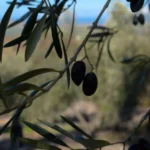
Spain is world-renowned for its olive oil, but not all olive oils are created equal. If you want to taste something truly special, look to Southern La Mancha and Andalucía. These regions grow some of the finest extra virgin olive oils, thanks to their climate, soil, and especially the Cornicabra olive variety. In places like Alatoz, deep in La Mancha, high altitude and extreme temperature swings give oils that rare “gourmet” quality. And on SpainOil.com, you’ll find the top local supplier where early harvests from Sierra de Albacete and parts of Jaén are brought together.
Here’s why olive oil from these lands is among the best you will find—and how to recognize it.
What Gives Southern La Mancha & Andalucía the Edge
1. Climate with Extremes
- In Alatoz (in La Mancha), the altitude is significant. Temperatures fall sharply at night and rise steeply by day.
- These diurnal temperature swings allow olives to ripen slowly, preserving aromas, flavors, and outside stresses that help produce polyphenols (bitterness and pungency) and complexity in the oil.
- In Andalucía, similar high-places (especially in parts of Jaén, Córdoba, Granada) also see warm days, cool nights during harvest time, enhancing flavor.
2. Soil Quality and Terroir
- Soils are often limestone or clay-lime rich, sometimes quite poor in nutrients. That means the trees stress more—but that stress concentrates flavor.
- Well-drained soil at altitude encourages deep root growth, which gives olives access to minerals that affect aroma and mouthfeel.
3. Varieties Used: Cornicabra
- The Cornicabra variety is less common than many high-yield olives, produces less oil per tree, but is considered more gourmet. It offers a balanced flavor: fruity, somewhat bitter, with a pleasant peppery finish.
- Cornicabra oil is more stable (has good polyphenols and high oleic acid) so it ages well. Wikipedia+1
- Because yields are lower, growers don’t push for volume—they push for quality.
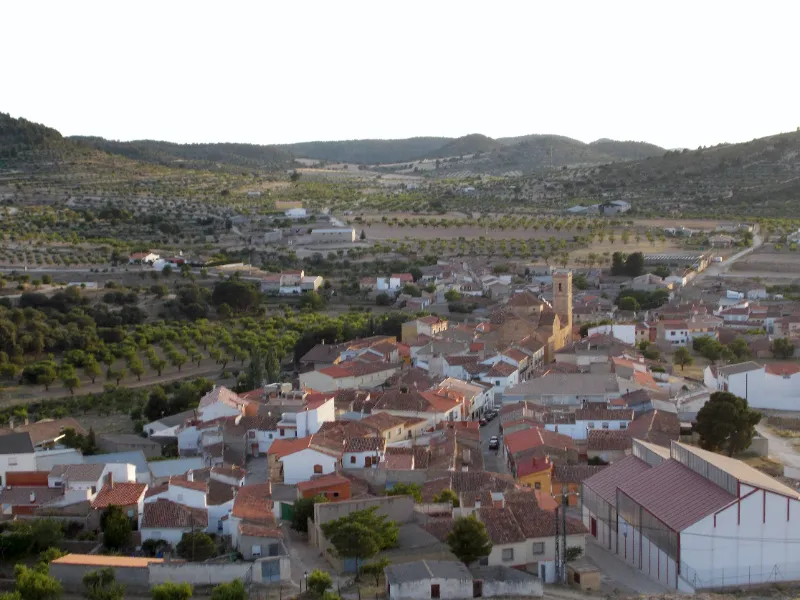
Alatoz, La Mancha
- Alatoz is a small locality in southern La Mancha, at altitude, with harsh temperature swings between night and day.
- There, producers work with early harvests (with greener olives) to retain sharpness, aroma, and freshness.
- Most olives used are Cornicabra, and these olives yield less oil, but that oil, when pressed early and carefully, is exceptionally aromatic and flavorful.
Why Early Harvest Matters
- The earlier the harvest (when olives are greener), the more polyphenols (antioxidants) remain intact—these contribute bitterness and pungency, and protect the oil from oxidation.
- Early harvest oils often have a fruitier, greener aroma: tomato leaf, grass, almond skin, artichoke—notes that fade with later harvests.
What to Look for When Choosing the Best Olive Oil
If you want olive oil that’s truly among the best, especially from Southern La Mancha / Andalucía / places like Alatoz, keep these in mind:
| Feature | What to Look For |
|---|---|
| Variety | Cornicabra is prized. Others may be good, but Cornicabra from this region is top-tier. |
| Harvest Date | Early harvest, often “first cold press” or “early season.” |
| Acidity / Peroxide / Polyphenols | Low free acidity (<0.8%), good peroxide value; high phenolic content. (Often indicated). |
| Color & Aroma | Greenish tints, fresh herbaceous / fruit aroma, not stale. |
| Storage & Packaging | Dark glass bottles, small volumes, stored away from light & heat. |
| Supplier Reputation | Look for producers who emphasize early harvest, small-batch pressing, and freshness. |
SpainOil.com: Bringing Together the Best of Albacete & Jaén
On SpainOil.com, we specialize in sourcing early-harvest Cornicabra olive oil from the highlands (Sierra de Albacete, parts of Jaén), including locals from places like Alatoz. Farmers here bring their olives as soon as they ripen to guarantee freshness and quality. SpainOil aggregates these and works with top local mills to maintain standards:
- Cold-press extraction to preserve flavor and nutrients.
- Minimal delay from harvest to pressing.
- Strict storage: cool, dark, tight-sealed packaging.
Health Benefits & Taste Profile
- High in monounsaturated fats (especially oleic acid), which are good for heart health.
- Rich in polyphenols, antioxidants that fight inflammation, slow aging.
- Taste: On the palate you will often sense fresh green almonds, tomato leaf, apple peel, artichoke, almond skin, a touch of bitterness then peppery finish.
- These oils also do well in cooking (light cooking, dressings), but especially shine when used raw on bread, salads, finishing a dish.
Regions Compared: Southern La Mancha vs Other Spanish Regions
While many Spanish regions produce excellent olive oil, Southern La Mancha / Andalucía stands out due to:
- Combination of altitude + heat + cold nights.
- Long tradition of olive oil quality, many centuries.
- Use of Cornicabra which, although lower-yield, yields oils considered more gourmet.
- Innovation in milling and early harvest techniques.
How to Judge If an Olive Oil Is “Truly the Best”
- Smell test: Open bottle—if aroma is fresh, grassy, vegetal, not musty or rancid, it’s good.
- Taste test: Pleasant bitterness and pepper are good. No flat or bland oil.
- Look for harvest date & batch: If too old, many of the volatile aromas are lost.
- Check label for variety (Cornicabra), origin (Southern La Mancha, Andalucía), and method of extraction.
- Buy from trusted suppliers (like SpainOil.com) who process early and protect flavor.
Why These Conditions Are Rare—and Why That Makes Them Valuable
- Olives at altitude with extreme temperature swings are harder to grow. Trees may produce less, more labor needed, harvests must be timed.
- Cornicabra trees are less prolific than some other varieties, so yield per hectare is lower.
- To maintain quality, mills must be nearby, pressing quickly after harvest; otherwise oxidation, heat, storage degrade the premium characteristics.
All of this raises cost—but for someone looking for top-tier olive oil, the taste, health benefits, aroma, and prestige make it worth it.
Final Thoughts: What Makes Olive Oil Truly the Best
If you want olive oil that stands out, what you want is:
- Early-harvest Cornicabra from Southern La Mancha or Andalucía.
- Good altitude, big day/night temperature difference.
- Harvest by hand (or gently), cold press, bottled soon, stored in dark glass.
For those seeking this, Alatoz is a shining example. The olives here, especially Cornicabra, under these conditions, yield oil that’s richer, more aromatic, more complex. On SpainOil.com you’ll find this kind of olive oil, from producers who bring in early harvests from Sierra de Albacete and parts of Jaén.